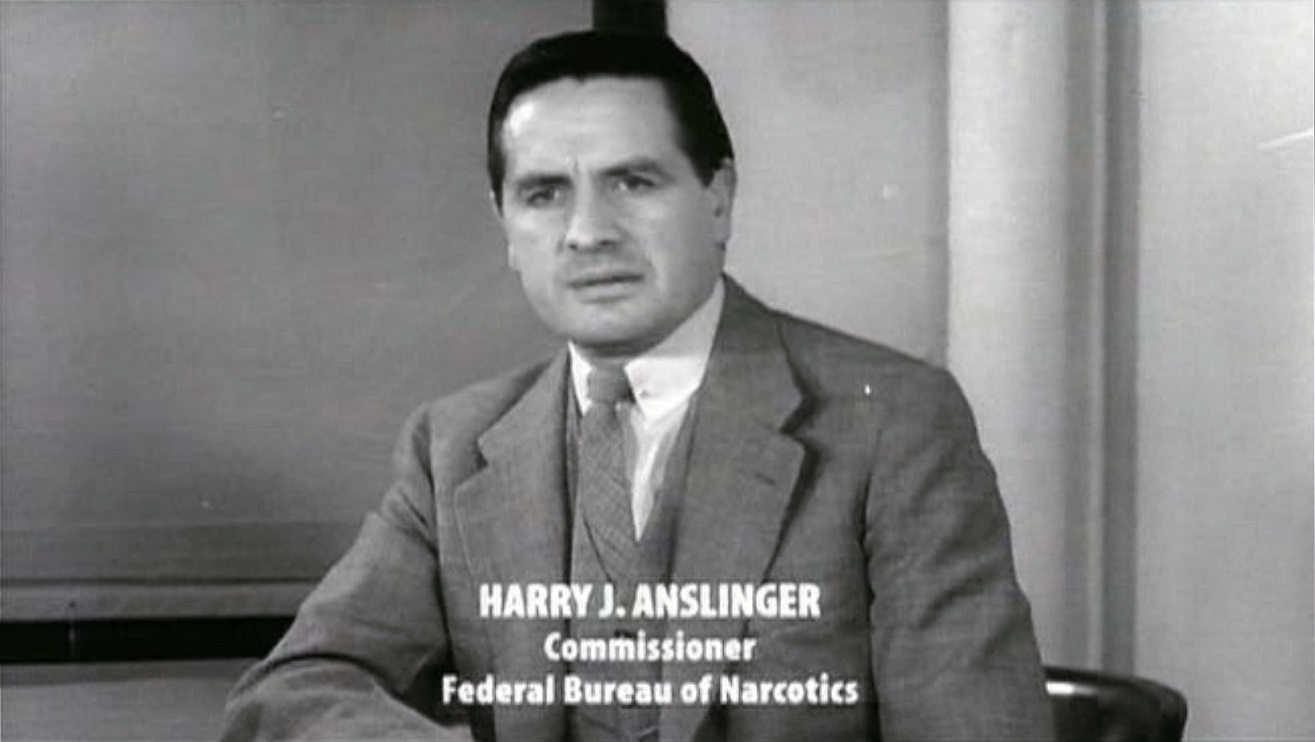
By the early 1930's Anslinger now had control over his own bureau dedicated to the enforcement of the Harrison Act. However, this law was restricting in his view and only tackled a fraction of the narcotic problem in America. To give his agency permanency and broader jurisdiction, Anslinger began a nationwide publicity campaign to get the public and Congress on his side. The first move he made was towards horse racing. In the world of horse racing, it was common and not unheard of to use performance enhancing drugs to win races. Anslinger brought the trend to national attention and called for regulation and enforcement. The agency to be charged with this task, his Federal Bureau of Narcotics. Congress agreed and gave him the power to send agents to race tracks across the country to test horses and arrest drug peddlers.
 However, Ansligner was not content to keep the Bureau testing horses for the rest of its existence. By early 1932, he found a cause in the Uniform State Narcotic Drug Act. It would strengthen the allegedly weak language of the Harrison Act of 1914 and ensure stiffer penalties and fees against violators. Anslinger, with the help of his friend Randolph Hearst and the Hearst publishing chain, publicly advocated and encouraged its passage across the United States. At the beginning, only 9 states would pass the act. Frustrated, Anslinger began an even stronger media campaign alleging the effects of these narcotics to cause "reefer madness" and "sex craze." This image of drug use would be propagated by many family and children interest groups and even be picked up by Hollywood in a series of low budget, exploitation films that capitalized on the scandalous image of a narcotic user and its alleged consequences.
These films, in addition to propaganda films produced by the U.S government, helped create an era of misinformation about narcotics in the United States. Rumors and myths replaced any actual facts regarding the actual affects about drugs. This is most seen in an incident between Anslinger and New York Mayor La Guardia. Published in 1944, the La Guardia Committee Report described the work of medical researchers into the effects of marijuana and other narcotics on humans and their recommendation for how the government should proceed in its regulation and classification. The report, the first of its kind in the United States, surprisingly found marijuana to be relatively harmless in reasonable doses and to have less damaging long lasting effects than alcohol and opiates. More importantly, it argued against the government narrative of marijuana being addictive and crime inducing. As expected, Anslinger's first response is immediate condemnation of the report as un-scientific and a fraud. He would then make it impossible for researchers to conduct any more inquiries into the side effects of marijuana, or other narcotics, without his permission. This requirement ensured that Anslinger would have control over what results were being found. With the La Guardia Report behind him, he would continue to move forward in pushing his agency's agenda and manipulating public fears to his advantage. However, with the tragic attack on Pearl Harbor, Anslinger found a new way to bring drug enforcement to the public eye.
To be continued!